


Photo from Pexels
Memories weave the tapestry of our lives, threading together moments that shape who we are and illuminate where we’ve been. In our increasingly digital world, preserving these precious moments through thoughtful design has become both wonderfully accessible and profoundly meaningful. Whether you’re marking milestones, honoring loved ones, or capturing the beauty tucked into everyday life, intentional design choices can transform fleeting memories into lasting treasures that resonate across generations. The real magic happens when you understand how design elements work together, creating pieces that aren’t just visually appealing but deeply personal and emotionally resonant.
The Power of Personalization in Memory Preservation
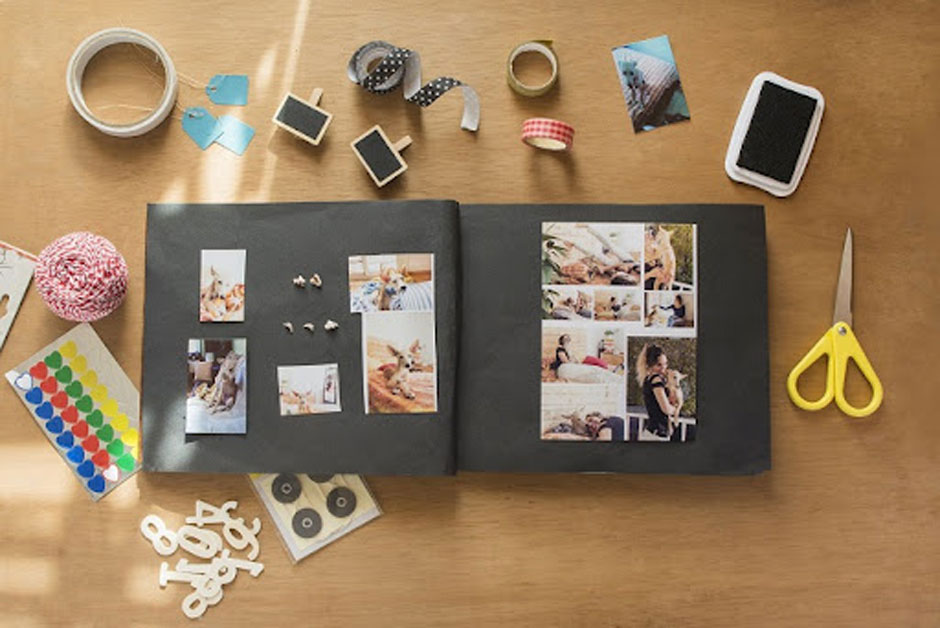
Personalization sits at the very heart of meaningful memory preservation, turning ordinary objects into extraordinary keepsakes that matter. When you weave in specific details, names, dates, meaningful quotes, or symbols that carry weight, you’re creating a direct emotional bridge between the object and the memory it represents. This level of customization ensures each piece tells its own story rather than serving as just another generic reminder. Think about how a family photo album transforms when it includes handwritten notes about each photograph’s circumstances, the emotions swirling in those moments, and the relationships between the people frozen in time.
Choosing Materials That Stand the Test of Time
The materials you select for memory preservation projects directly shape their longevity and ability to weather time’s passage. Durable materials like wood, metal, glass, and stone offer a permanence that softer materials just can’t match, making them ideal for heirlooms meant to pass through multiple generations. Each material brings its own aesthetic qualities and practical considerations into the design process. Wood offers warmth and natural beauty, though it needs protection from moisture and harsh sunlight, while metals like stainless steel, brass, and copper provide exceptional durability with distinctive visual characteristics that actually develop more character as they age.
Design Elements That Enhance Emotional Connection
The visual and tactile elements of design play crucial roles in how we connect with memory preservation pieces on an emotional level. Typography choices communicate personality and tone almost instantly, serif fonts convey traditional elegance while sans-serif options suggest modern simplicity and clean lines. The size, spacing, and arrangement of text elements affect both readability and visual hierarchy, naturally guiding the viewer’s eye toward the most important information first. Color selection involves both aesthetic preferences and psychological associations, since different hues evoke distinct emotional responses and carry varied cultural meanings.
Creating Cohesive Collections and Display Strategies
Memory preservation becomes even more powerful when individual pieces work together as part of a cohesive collection or thoughtfully planned display strategy. Creating visual consistency through repeated design elements, complementary color palettes, or unified material choices helps multiple pieces feel connected while still celebrating distinct memories or moments in time. Gallery wall arrangements let you curate a visual narrative showing the progression of time, relationships, or personal growth, with each piece contributing its own chapter to a larger story. Shadow boxes and display cases provide protected environments for three-dimensional objects while keeping them visible and appreciated in daily life rather than hidden away.
Incorporating Technology With Traditional Craftsmanship
Modern memory preservation thrives at the intersection of cutting-edge technology and time-honored craftsmanship techniques. Digital design tools enable precise customization and visualization before production even begins, letting you experiment with layouts, fonts, and arrangements until you achieve results that feel just right. Advanced manufacturing methods provide accuracy and consistency that would be tough or downright impossible to achieve through manual processes alone, particularly for intricate patterns or fine detail work that demands precision. For professionals who need to create personalized keepsakes with exceptional detail, a laser engraving machine provides the precision necessary to transform raw materials into meaningful commemorative pieces. Still, the human touch remains absolutely irreplaceable in adding warmth, character, and intentionality that purely automated processes simply cannot replicate, no matter how advanced they become. The most meaningful memory preservation projects often combine technological precision with handcrafted finishing touches, hand-applied stains, manually assembled components, or artisan-applied patinas that give each piece its own unique character. This hybrid approach respects both innovation and tradition, creating memory keepers that benefit from modern capabilities while retaining the soul and authenticity that make them truly special and worth passing down. The real skill lies in finding the right balance for your specific project, knowing when technology serves your vision best and when traditional methods better capture the essence of what you’re trying to preserve.
Sustainability and Legacy Considerations
Creating memory preservation pieces with long-term legacy in mind requires thinking beyond immediate gratification to consider how these objects will serve future generations you may never meet. Sustainable material choices ensure your memory keeping doesn’t come at an environmental cost that contradicts the very values you hope to pass forward. Timeless design aesthetics avoid trendy elements that might feel dated within just a few years, instead embracing classic principles that maintain relevance across decades and changing design philosophies. Documentation adds essential context that might otherwise be lost to time, written explanations of significance, stories behind specific design choices, and information about the people, places, or events being commemorated.
Conclusion
Preserving memories through thoughtful design represents an investment in both present meaning and future legacy that extends far beyond yourself. By carefully considering personalization, materials, design elements, display strategies, technology integration, and sustainability, you create memory keepers that honor the past while actively enriching the future. These tangible reminders of our most precious moments serve as anchors in an ever, changing world, providing comfort, inspiration, and connection across generations that haven’t even been born yet. Whether you’re creating a single commemorative piece or building an entire collection that tells your family’s story, the time and care you invest in thoughtful design ensures your memories remain vivid, accessible, and meaningful for years to come.